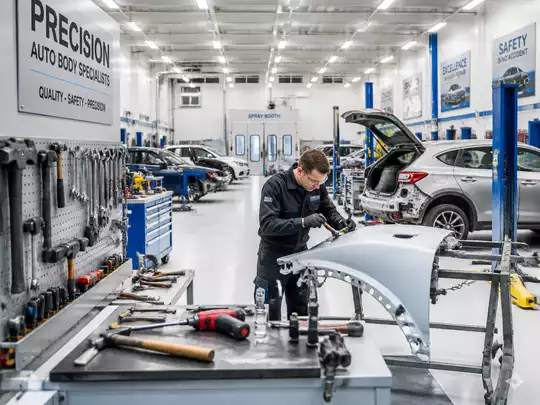
Car Body Repair: Damage and Solutions
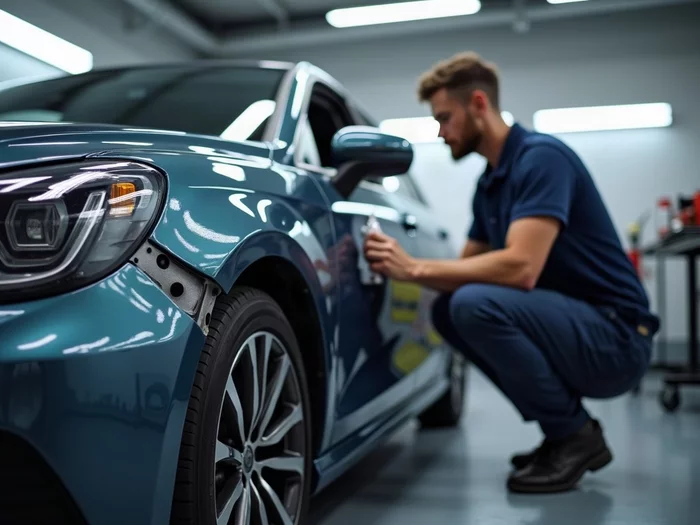
Posted on: 2026-10-26
By: Barry Whitmore
Have you ever considered how a small dent or scratch can impact the overall safety and value of your vehicle? Understanding car body repair is crucial for every car owner, as it goes beyond aesthetics to ensure your car remains safe and appealing on the road.
What You Will Learn
- Car body repair is essential for maintaining safety, visual appeal, and resale value of your vehicle.
- Common damage types include dents, scratches, rust, and cracks, which should be identified and addressed promptly.
- Recognizing minor versus major damage can help you determine when to seek professional assistance.
- Key indicators for consulting a professional include visible frame damage, leaking fluids, and warning lights on the dashboard.
Common Damage Types and Repair Techniques
Understanding the types of damage and their corresponding repair techniques can significantly improve the maintenance of your vehicle.
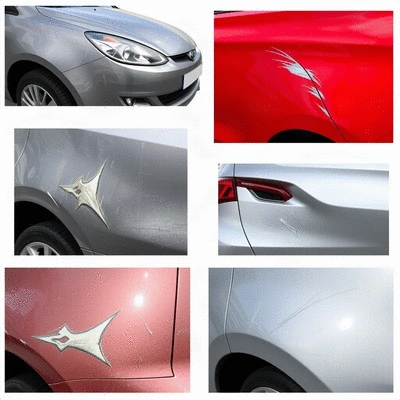
Common Damage Types
- Dents: Caused by hail, minor collisions, or shopping carts.
- Scratches: Often from brushes with other vehicles or objects.
- Rust: Resulting from prolonged exposure to moisture.
- Cracks: Frequently seen in bumpers and body panels after impact.
Common Repair Techniques
- Paintless Dent Repair (PDR): Ideal for minor dents without paint damage.
- Body Filler: Used for deeper dents and scratches to restore surface smoothness.
- Repainting: Essential for a seamless finish post-repair.
- Rust Treatment: Removing rust and applying protective coatings.
Understanding Car Body Repair: A Comprehensive Overview
At Autoline Car Body Repair, we believe that understanding car body repair is essential for every vehicle owner. It's not just about fixing dents or scratches; it's about preserving the integrity and appearance of your vehicle. Car body repair encompasses a variety of techniques aimed at restoring your car to its original condition, ensuring not only aesthetic appeal but also safety on the road.
Repairing your vehicle correctly can prolong its lifespan and enhance its resale value. That's why we're committed to educating our customers on the importance of maintaining their cars, especially after minor incidents that might go unnoticed. Now, let's dive into what car body repair really entails!
Defining Car Body Repair and Its Importance
Car body repair refers to the process of restoring a vehicle's exterior after it has sustained damage. This can arise from accidents, weather conditions, or everyday wear and tear. The significance of car body repair can't be overstated; it plays a crucial role in maintaining not just the look of your vehicle, but also its performance and safety.
- Visual Appeal: A well-maintained exterior improves your car's overall appearance.
- Safety: Damaged bodywork can compromise structural integrity, posing risks while driving.
- Value Retention: Quality repairs help maintain your vehicle's market value.
At Autoline, we find that many car owners underestimate the impact that minor body damage can have. Understanding the importance of timely repairs ensures your vehicle remains safe and visually appealing for years to come.
Identifying Common Damage Types in Vehicle Bodywork
When it comes to car bodywork, several common types of damage can occur. Recognizing these damages early is vital for effective repair. Here are some frequent issues we encounter at our workshop:
- Dents: Typically caused by hail, minor collisions, or even shopping carts.
- Scratches: Often from brushes with other vehicles or objects.
- Rust: A result of prolonged exposure to moisture, leading to deterioration.
- Cracks: Frequently seen in bumpers and body panels after impact.
Understanding these common damage types enables you to act swiftly, minimizing repair costs and time spent on the workshop floor. If you notice any of these issues, don’t hesitate to reach out to us at Autoline!
Common Repair Techniques: An Overview of Bodywork Methods
There are several techniques used in car body repair, each suited to different types of damage. Here’s a quick rundown of common methods:
- Paintless Dent Repair (PDR): Ideal for minor dents without paint damage.
- Body Filler: Used for deeper dents and scratches to restore surface smoothness.
- Repainting: Essential for a seamless finish, especially after repairs.
- Rust Treatment: Involves removing rust and applying protective coatings.
By employing these methods, we ensure that your vehicle receives the highest quality repairs tailored to its specific needs. At Autoline, our team is well-versed in these techniques, ensuring precision and care in every step of the repair process. Let's keep your vehicle looking its best!
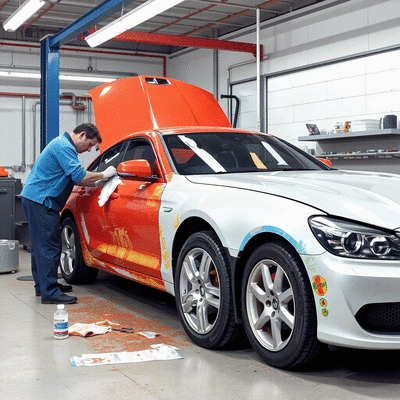
We Want to Hear From You!
Have you noticed any damage on your vehicle that you're unsure about? We’d love to know your thoughts! Share your experiences or any concerns regarding car body repairs:
Diagnosing Damage: How to Assess Your Vehicle's Needs
Understanding how to diagnose damage to your vehicle is crucial for effective repair. At Autoline, we believe that recognizing the signs of wear and tear can save you time and money in the long run. Whether it’s a minor dent or major structural issues, knowing what to look for can help you make informed decisions about your car's maintenance needs.
When assessing your vehicle, it's important to be thorough. I often encourage customers to conduct a visual inspection regularly. This helps catch issues before they escalate, ensuring your car remains in top condition. Let's delve into how you can identify different types of damage.
Recognizing Minor vs. Major Damage: What to Look For
It can sometimes be challenging to distinguish between minor and major damage. Here are some tips to help you recognize the difference:
- Minor Damage: Small scratches, dents, and paint chips.
- Major Damage: Cracks in the frame, significant dents that affect structural integrity, or issues with the engine.
- Pay close attention to how your vehicle drives—strange noises or handling issues can indicate more serious problems.
If you're unsure about the extent of the damage, it’s always best to consult a professional. At Autoline, we’re here to help assess any issues, so you can have peace of mind.
When to Consult a Professional: Key Indicators of Serious Issues
Knowing when to seek help is just as important as recognizing damage. Here are some key indicators that suggest it’s time to visit a professional like us at Autoline:
- Visible frame damage or misalignment.
- Leaking fluids that can point to significant issues.
- Warning lights on your dashboard, especially those indicating engine or brake issues.
Don’t hesitate to reach out if you notice any of these signs. Catching problems early can prevent larger repairs down the line.
Understanding Damage Assessment: Best Practices for Evaluation
Assessing damage properly requires an eye for detail. Here are some best practices for evaluating your vehicle:
- Conduct a thorough visual inspection from various angles.
- Check for any unusual noises when driving.
- Look for signs of rust or corrosion, especially in areas prone to moisture.
These practices will not only help you identify potential problems but also prepare you for conversations with repair professionals. At Autoline, we emphasize the importance of being informed, as it leads to better outcomes for your vehicle.
Recap of Key Points
Here is a quick recap of the important points discussed in the article:
- Understanding Car Body Repair: It's vital for maintaining the integrity and safety of your vehicle, enhancing both appearance and resale value.
- Common Types of Damage: Recognize issues like dents, scratches, rust, and cracks early to minimize repair costs.
- Repair Techniques: Familiarize yourself with methods such as Paintless Dent Repair, body filler application, and rust treatment to ensure quality repairs.
- Damage Assessment: Regular inspections and awareness of indicators of minor vs. major damage can aid in timely professional consultations.
- Key Indicators for Professional Help: Look for frame damage, fluid leaks, or dashboard warning lights as signs that it's time to consult a professional.
Frequently Asked Questions (FAQs)
- What are the common types of damage in car bodywork? Common types include dents, scratches, rust, and cracks.
- How can I tell if my car needs body repair? Look for visible damage, unusual noises while driving, or dashboard warning lights.
- What are some common repair techniques? Techniques include Paintless Dent Repair, body filler application, repainting, and rust treatment.
- When should I consult a professional for car body repair? Consult a professional if you notice frame damage, fluid leaks, or persistent warning lights.
- Why is timely car body repair important? Timely repairs help maintain safety, visual appeal, and the resale value of your vehicle.
 Have you ever considered how the right modifications can not only transform your vehicle's appearanc
 When it comes to car body repairs, choosing the right specialist can make all the difference. With n
 In the realm of car maintenance, awareness is your best ally. Car body repairs extend beyond mere ae